

General FAQs
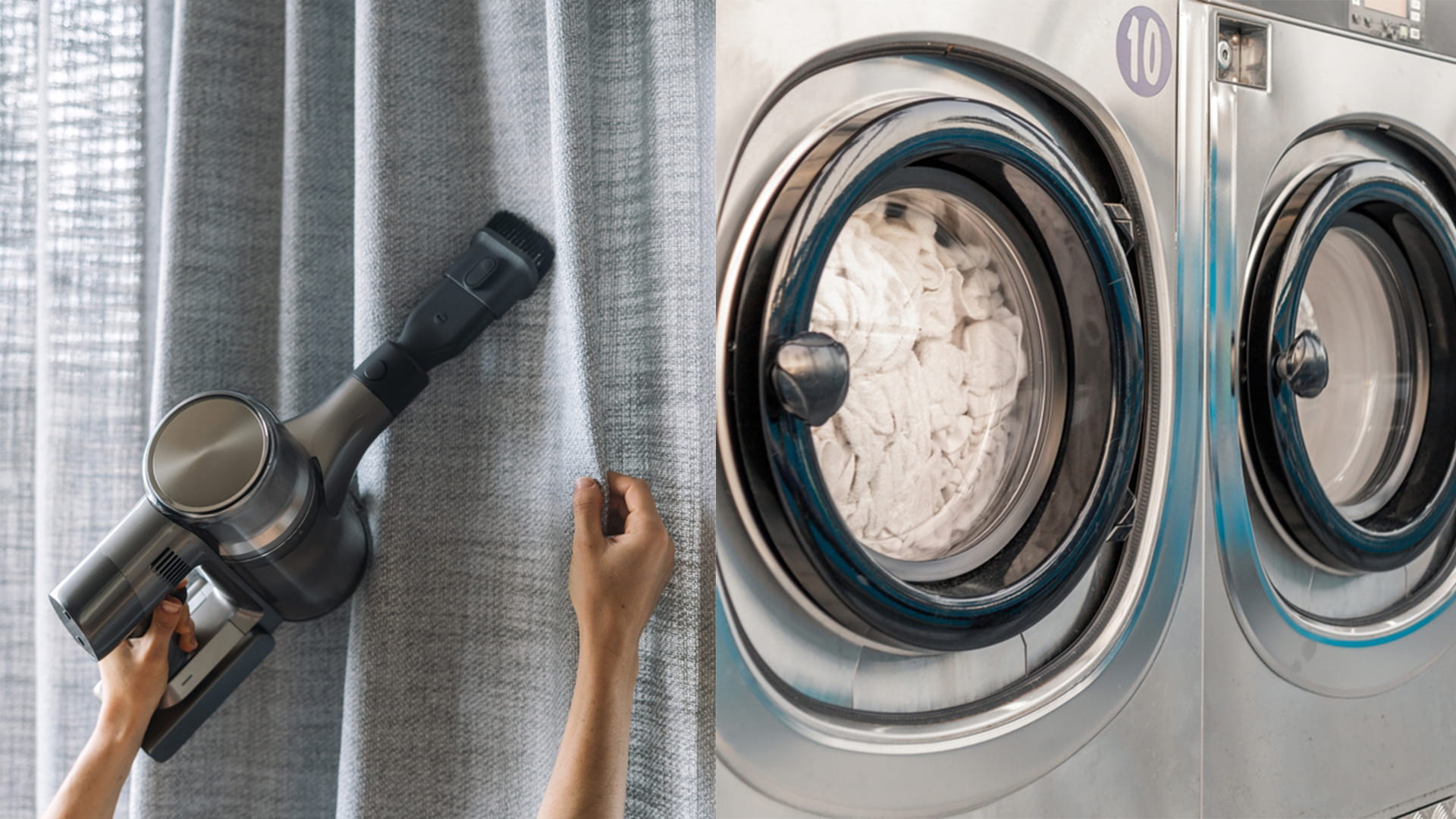
Curtains are an essential part of many homes, adding privacy, insulation, and style to living spaces. However, they also tend to collect dust, pollen, and everyday particles over time. And in a city like Canberra, where seasonal pollen, dry winds, and indoor heating can affect air quality, regular curtain cleaning becomes more important than many homeowners realise.
Many homeowners turn to professional curtain cleaners in Canberra to ensure fabrics are cleaned safely without damage. When it comes to professional cleaning, two methods are commonly used, dry cleaning and steam cleaning.
Each method works differently and is suited to specific fabrics and situations. Choosing the right method helps protect the fabric and keep curtains looking their best for longer.
If you’re unsure which option is right for your home, understanding how these methods work can make the decision easier.
Steam Cleaning vs Dry Cleaning: What’s the Difference?
| Cleaning Method | High-temperature steam | Solvent-based cleaning |
| Best For | Durable fabrics like cotton, polyester, and blends | Delicate fabrics such as silk or velvet |
| Where It Happens | Usually done on-site while the curtains remain hanging | Curtains are removed and cleaned off-site |
| Main Purpose | Removes dust, allergens, and odours | Removes stains and protects delicate fibres |
| Drying Time | Curtains typically dry the same day | Curtains are returned after cleaning |
Both methods can deliver excellent results when used appropriately. The key is matching the cleaning method to the curtain fabric and the type of dirt or stains present.
What Is Steam Cleaning for Curtains?
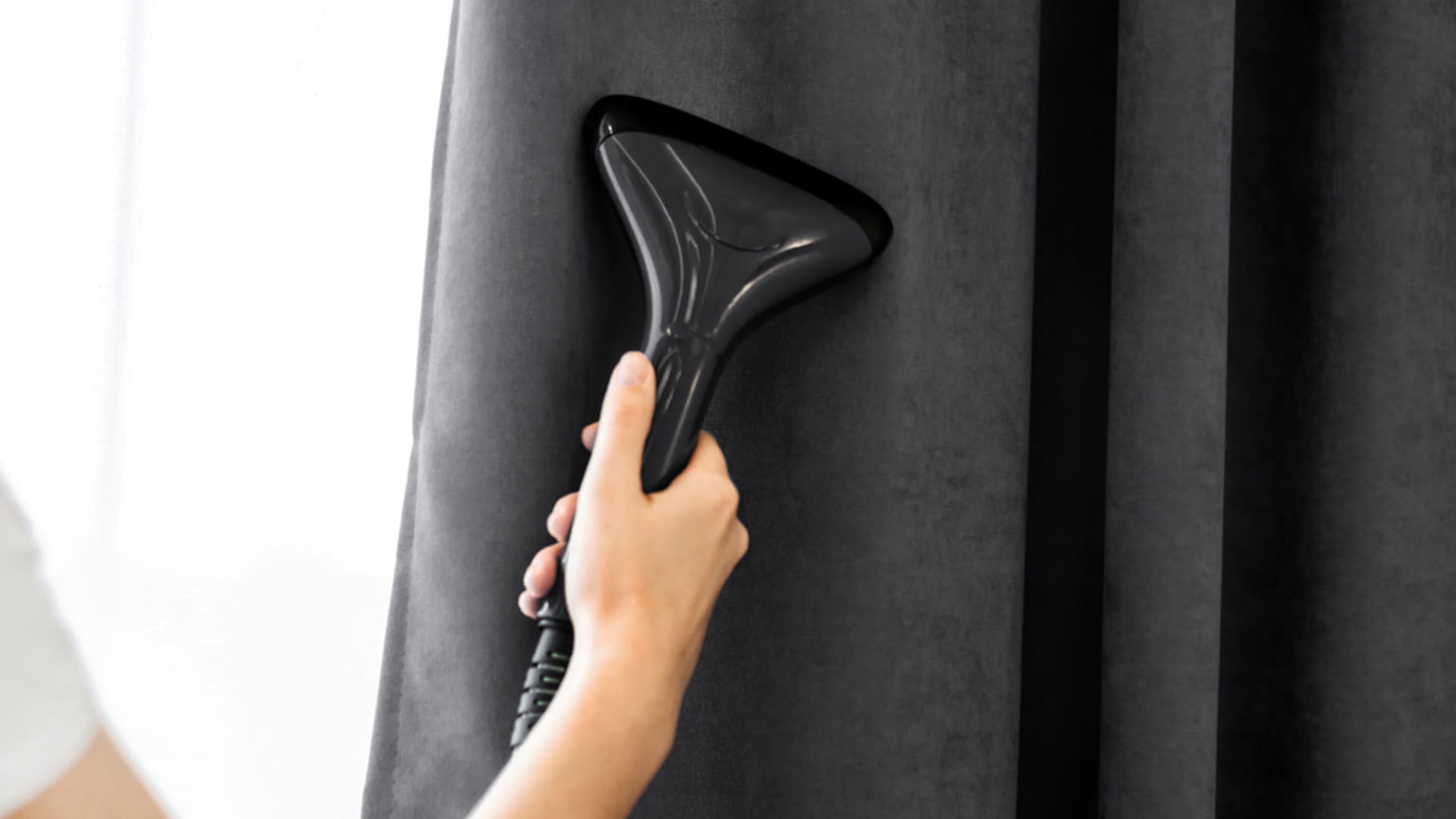
Steam cleaning uses high-temperature vapour to loosen dirt, dust, and allergens trapped deep within curtain fibres. Professional technicians apply steam directly to the curtains while they remain hanging on the track. The heat penetrates the fabric, lifting embedded particles and eliminating bacteria, dust mites, and odours without relying on heavy chemical detergents.
In many homes, the process is completed on-site within a few hours, allowing curtains to dry naturally the same day while remaining in place.
In Canberra’s climate, curtains often collect seasonal pollen, dry dust from windy days, and indoor heating residue during winter. These particles settle into the folds of fabric over time. Because curtains act like natural air filters, regular steam cleaning can help remove these trapped allergens and improve the indoor air quality.
When Does Steam Cleaning Make Sense?
Steam cleaning is generally the best option for everyday curtain fabrics that can tolerate moisture and heat. Cotton, polyester, linen, and most synthetic blends respond well to this type of cleaning.
Steam Cleaning Works Well In These Situations
- Cotton curtains that tolerate heat and dry quickly after cleaning
- Polyester and blended fabrics that resist shrinking
- Linen curtains that benefit from gentle moisture cleaning
- Homes experiencing seasonal pollen buildup during Canberra’s spring months
- Removing everyday odours from cooking, pets, or indoor living spaces
- Families wanting a chemical-free cleaning approach
- Situations where curtains need cleaning without removing them from the windows
What Are the Benefits of Steam Cleaning Curtains?
Steam cleaning provides several practical advantages for many Canberra households.
- Uses high-temperature vapour rather than harsh chemicals
- Removes dust, pollen, and allergens trapped in curtain fibres
- Kills bacteria and dust mites through heat
- Allows curtains to be cleaned while still hanging
- Refreshes fabrics and removes everyday odours
- Helps maintain better indoor air quality, especially during pollen season
Because the cleaning happens directly on-site, the process is often convenient for homeowners who prefer not to remove and reinstall heavy curtain panels.
What Are the Limitations of Steam Cleaning?
While steam cleaning works well for regular maintenance, it does have some limitations depending on the curtain material and stain type.
- Oil-based stains, such as grease or makeup, may not lift easily
- Delicate fabrics like silk or satin can be sensitive to moisture and heat
- Curtains with heavy lining may trap moisture between layers
- Severely stained curtains may require deeper solvent cleaning
- Very old or fragile fabrics may need a more controlled cleaning process
For these situations, dry cleaning may be the safer option.
What Is Dry Cleaning for Curtains?
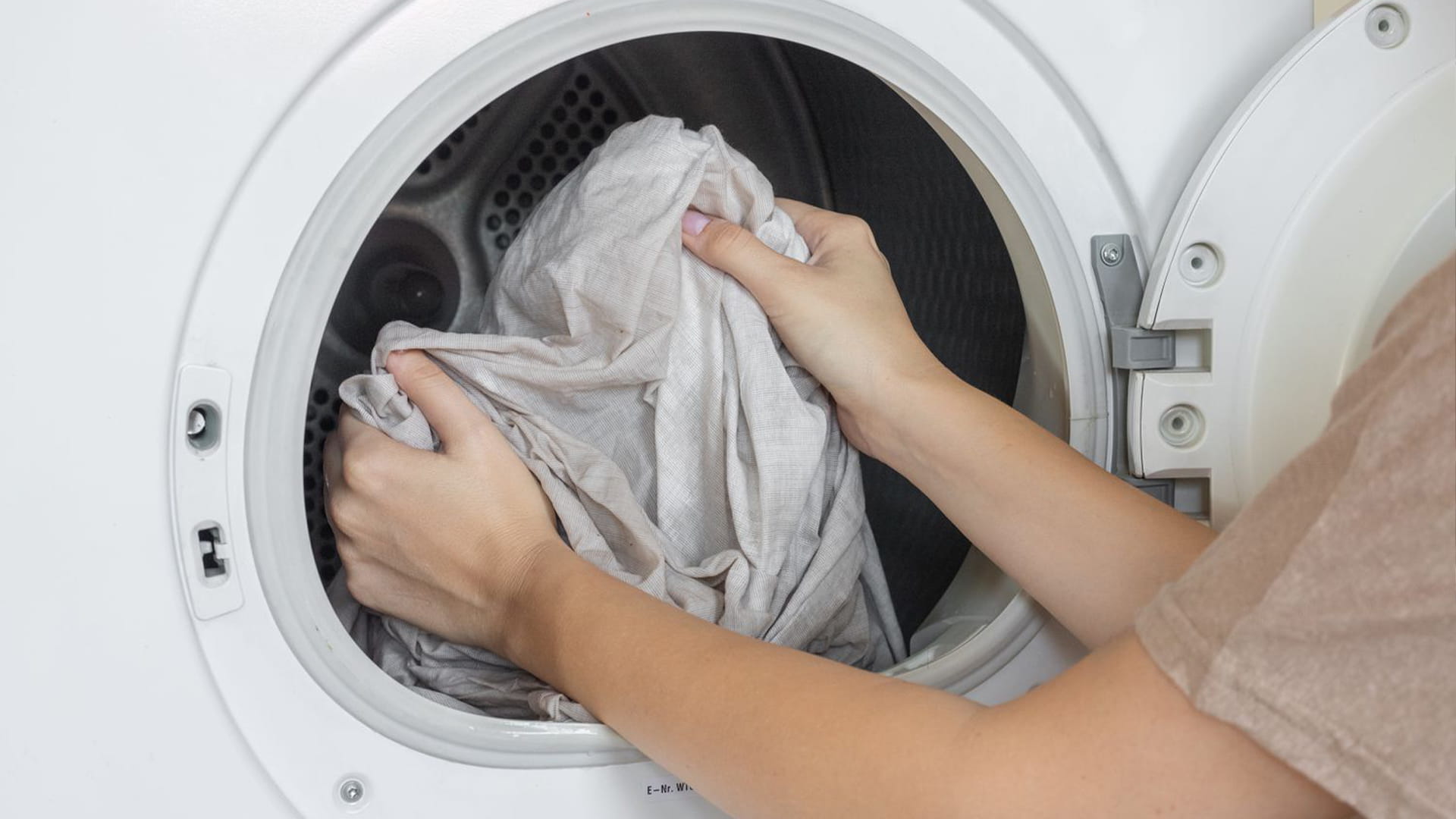
Dry cleaning uses specialised liquid solvents instead of water to clean delicate curtain fabrics. The solvent dissolves dirt, oils, and stains without soaking the material, helping preserve the curtain’s shape, colour, and texture.
During the process, professional cleaners carefully remove the curtains from the window, transport them to a controlled cleaning facility, and return them once cleaning and pressing are complete.
This approach is particularly useful for water-sensitive fabrics that could shrink, fade, or lose structure during steam cleaning.
When Does Dry Cleaning Become Necessary for Curtains?
Dry cleaning is often recommended when curtains are made from delicate materials or when they include decorative elements that require extra care.
Dry Cleaning Is Ideal For:
- Silk curtains that may shrink or stain with water
- Velvet panels where moisture could flatten the fabric pile
- Satin curtains that lose shine when exposed to water
- Curtains with beading, embroidery, or embellishments
- Heavily lined curtains where moisture may become trapped
- Antique or high-value curtains that require careful handling
- Oil-based stains, such as grease or cosmetics
In these situations, solvent cleaning protects the integrity of the fabric while still removing deep stains.
What Are the Benefits of Dry Cleaning Curtains?
Dry cleaning offers important advantages for delicate or specialised curtain materials.
- Protects water-sensitive fabrics from shrinkage or distortion
- Effectively removes oil-based stains that steam cannot dissolve.
- Helps maintain the shape and structure of the curtain fabric
- Prevents colour bleeding or fading between fabrics
- Allows trained technicians to inspect and treat delicate materials carefully
- Provides a controlled cleaning process suited to valuable or decorative curtains
What Are the Limitations of Dry Cleaning?
Although dry cleaning is highly effective for delicate fabrics, there are a few considerations.
- Curtains need to be removed and transported to a cleaning facility.
- Windows may remain uncovered during the cleaning process.
- Chemical solvents are required for stain removal.
- Transport and handling may not be ideal for very fragile fabrics if not managed carefully.
- It may not be necessary for durable fabrics that can be safely steam cleaned.
Selecting the right cleaning method usually depends on a few simple factors, like
1. What Fabric Are Your Curtains Made From?
Curtain labels often provide the clearest guidance. If the label says “dry clean only”, it’s best to avoid steam or water-based cleaning.
The material is the most important factor.
- Cotton, polyester, and synthetic blends generally handle steam cleaning well.
- Silk, velvet, or delicate fabrics are usually better suited for dry cleaning.
Always check the care label because curtain labels often provide the clearest guidance. If the label says “dry clean only”, it’s best to avoid steam or water-based cleaning.
2. Consider the Type of Stains
Different cleaning methods work better for different problems.
- Dust, allergens, and everyday buildup are often removed effectively with steam cleaning.
- Oil-based stains or stubborn marks may require dry cleaning solvents.
3. Are Your Curtains Lined or Heavily Layered?
Curtains with multiple layers can trap moisture during steam cleaning. In these cases, dry cleaning may be a safer option because it avoids water exposure.
4. How Often Are Your Curtains Cleaned?
Curtains act like filters inside the home, trapping airborne particles over time. In Canberra homes, dust, pollen, and seasonal allergens can settle into curtain fabrics.
Regular cleaning helps maintain indoor air quality and keeps fabrics looking fresh. Many homeowners alternate between cleaning methods depending on the fabric type and condition of the curtains.
When Should You Call Professional Curtain Cleaners?
Curtains may need professional attention if you notice:
- Visible dust buildup along the folds
- Musty or stale odours
- Allergies worsening indoors
- Stains that household cleaning cannot remove
- Delicate fabrics that require specialised care
When professional cleaning is needed, experienced curtain cleaners in Canberra can assess the fabric and recommend whether steam or dry cleaning is the safest option.
Also, if you’re comparing cleaning methods or wondering about washing curtains at home, this guide explains the differences between curtain dry cleaning and home washing. https://www.opalalterations.com.au/curtain-dry-cleaning-vs-home-washing-whats-better-for-the-fabrics-longevity/
Both steam cleaning and dry cleaning have their place when it comes to caring for curtains. But understanding the key differences between the two methods can help you choose the safest option for your curtains and keep them looking their best for years to come.
FAQ
If you’re unsure which method your curtains require, then getting an experienced curtain cleaner in Canberra to inspect the fabric and recommend the most suitable cleaning approach can help determine the safest method and prevent issues like shrinkage, colour fading, or damage to delicate fabrics.
At Opal Alterations & Dry Cleaning, curtains are carefully assessed before cleaning to decide whether steam cleaning or dry cleaning is the right approach. If your curtains are starting to look dull, collect dust, or hold onto everyday odours, professional cleaning can help refresh the fabric and restore their appearance. Visit our page to learn more about our curtain cleaning services.