
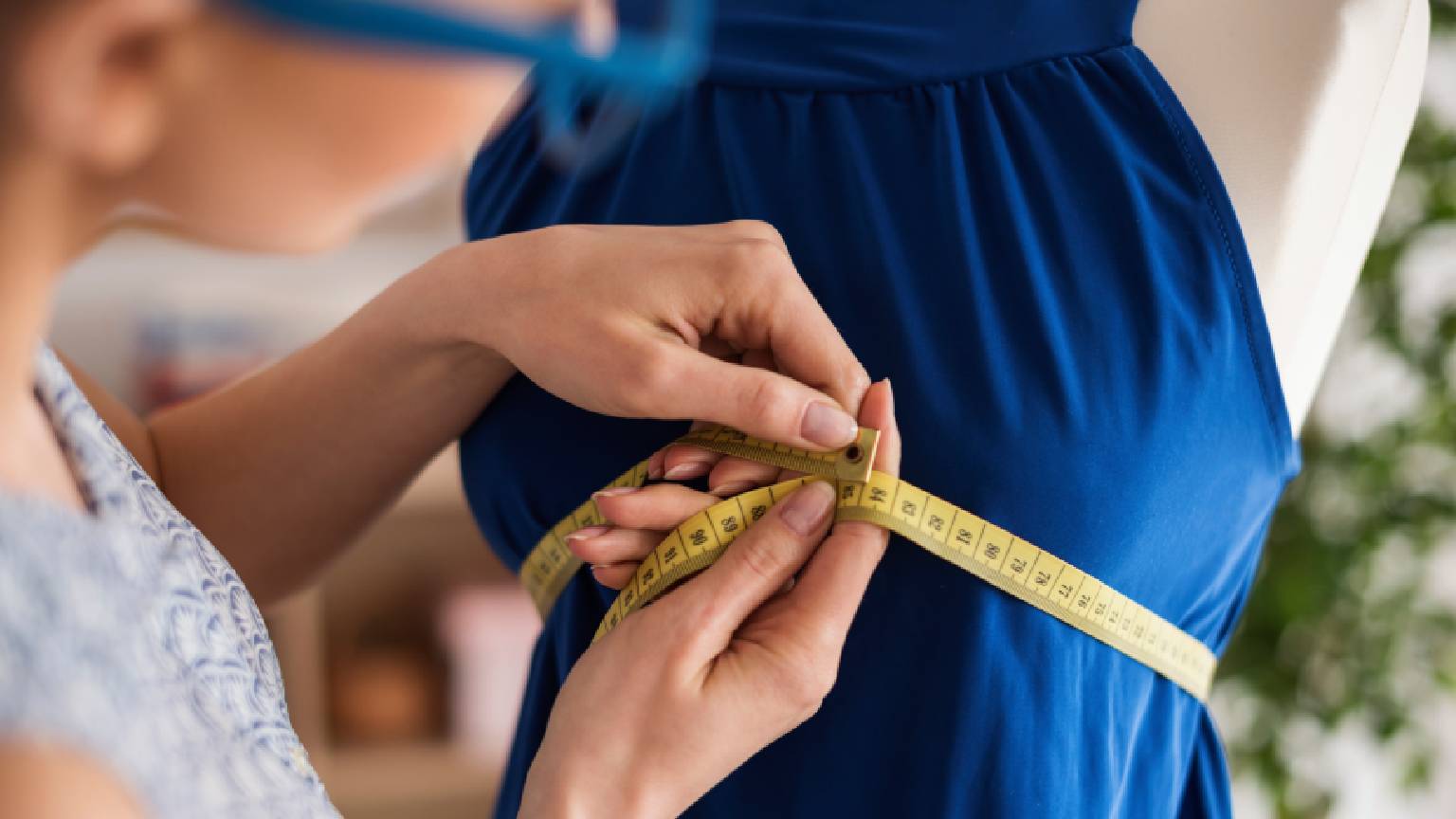
Being a bridesmaid sounds glamorous until the dress arrives and suddenly nothing feels quite right. The colour is perfect, the style suits the wedding beautifully, but the fit? That is usually where the stress begins.
One dress feels too tight through the bust. Another bunches awkwardly around the waist. Someone cannot walk properly because the hem is too long, while someone else keeps pulling up slipping straps every few minutes. These issues are far more common than most bridal parties expect, especially with online orders and standard sizing.
The reality is that most formal dresses are designed to fit general measurements, not real bodies. That is why professional bridesmaid dress alterations can make such a dramatic difference. A few carefully adjusted details can completely change how a dress looks, feels and moves throughout the day.
Why Bridesmaid Dress Fit Matters More Than You Think
A bridesmaid dress is not just worn for a quick photo or short ceremony. It needs to feel comfortable through hours of standing, walking, sitting, dancing and celebrating. If the fit is off, even slightly, it becomes noticeable very quickly.
A loose bodice can shift throughout the day and make the wearer feel constantly uncomfortable. A dress that is too fitted may restrict movement or create pulling around seams and zips. Even small issues like uneven straps or awkward sleeve placement can affect posture and confidence.
For bridal parties, consistency matters too. Dresses do not need to fit identically on every person, but they should look cohesive together. Alterations help refine each gown individually while maintaining the overall bridal aesthetic.
The Most Common Bridesmaid Dress Fitting Problems
Common Fit Issues Around the Bodice
A gown may fit perfectly through the waist and hips but feel loose around the bust, or the opposite may happen.
Structured fabrics like satin tend to highlight these problems more clearly because they do not naturally stretch or soften around the body. Gaping necklines, visible cups or tight seams across the chest are all signs the bodice needs adjusting.
Waistlines Sitting in the Wrong Place
A poorly positioned waistline can throw off the entire silhouette of a dress. Sometimes the seam sits too high, while other dresses fall too low and lose shape completely.
This often happens because formalwear sizing follows standard proportions that rarely suit everybody perfectly. Even if the dress technically fits, the overall shape can still feel awkward.
Hems That Become a Hazard
Long bridesmaid dresses are almost always designed with extra length, which means hemming is usually unavoidable.
Professional hemming is especially important for delicate fabrics like chiffon, satin or layered skirts because preserving the original drape and movement of the dress requires precision.
Slipping Straps and Restricted Movement
Straps that constantly fall down or sleeves that cut into the shoulders can become incredibly distracting during a wedding.
These problems are often caused by incorrect bodice proportions rather than the straps themselves. Small adjustments can usually improve support, comfort and movement without changing the overall design of the gown.
Can Most Bridesmaid Dresses Be Altered?
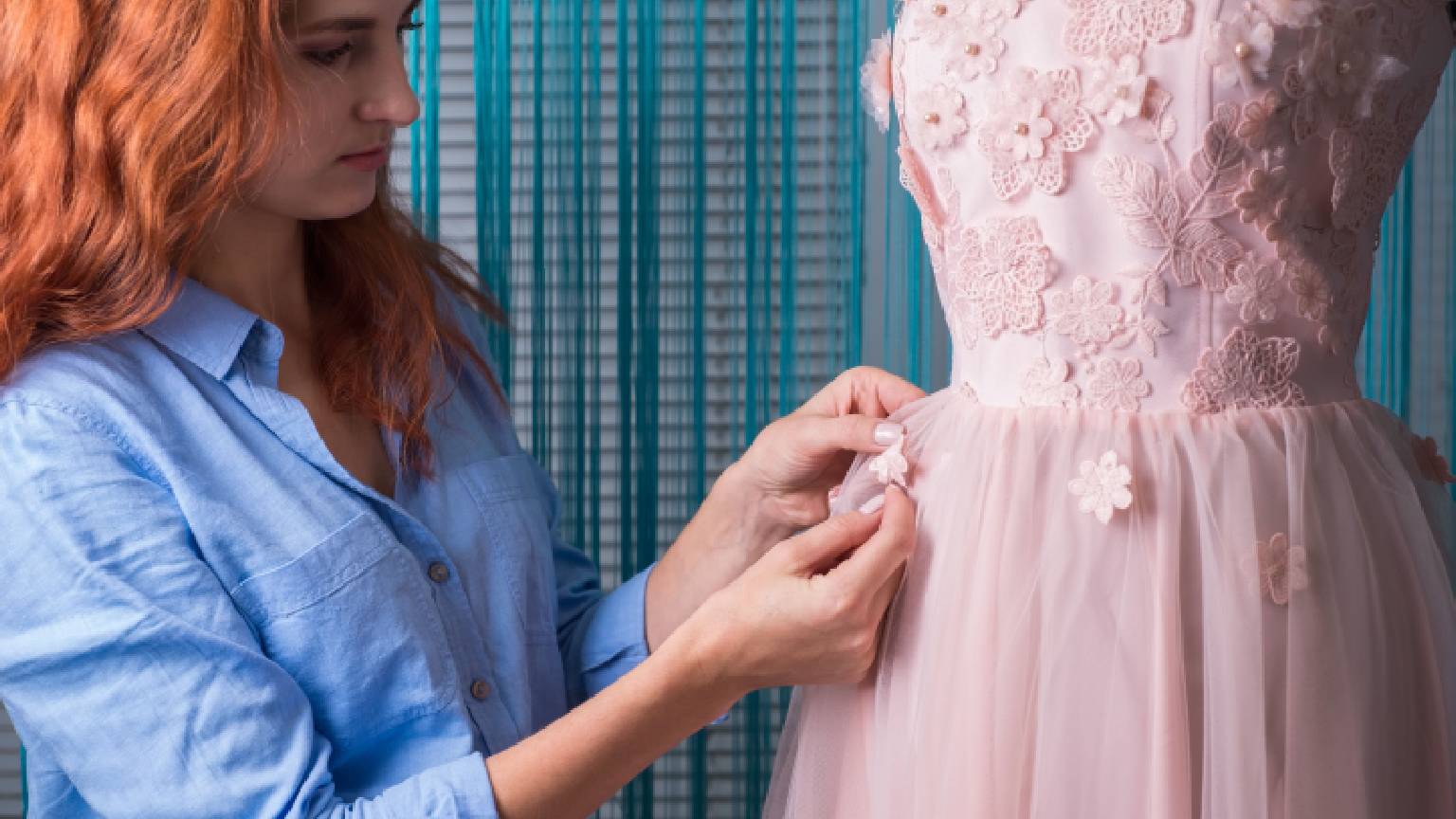
In many cases, yes. Most bridesmaid dress alterations involve refining the fit rather than completely reconstructing the garment.
Common alterations include:
- Taking in or adjusting the bodice
- Shortening hems
- Refining side seams
- Adjusting straps or sleeves
- Improving neckline positioning
- Replacing closures or zips
An experienced alterations specialist can explain what changes will work best while preserving the original style and structure of the dress.
When Should Bridesmaid Dress Alterations Be Booked?
Earlier than most people think.
As soon as the dress arrives, it is worth trying it on properly with the shoes and undergarments planned for the wedding day. That first fitting often reveals issues that are not obvious during a quick try-on. Some dresses also require multiple fittings to achieve the right finish.
That said, fittings should not happen too early either if body measurements are likely to change before the event. Timing is important, particularly for weddings planned months in advance.
What to Bring to a Fitting Appointment
Preparation makes fittings much more accurate.
Bridesmaids should always bring:
- The exact shoes planned for the wedding
- Appropriate shapewear
- Accessories that may affect the fit
- Inspiration photos if needed
Walking, sitting and lifting your arms gives a far better sense of how the dress will actually feel throughout the day.
Why Professional Alterations Make a Difference
Formal dresses require far more precision than everyday clothing. Delicate fabrics, layered skirts, boning, lace details and structured bodices all need careful handling to maintain the original look of the gown.
At Opal, bridesmaid dress alterations are approached with attention to both comfort and finish. Whether the dress needs subtle refinements or more detailed fit adjustments, the focus is always on helping bridal parties feel confident, comfortable and polished on the big day.
With experienced alteration specialists, fast turnaround times and convenient Canberra locations, Opal helps make wedding preparation feel far less stressful.
Your Bridesmaid Dress Should Feel as Good as It Looks
A bridesmaid dress should never feel like something you simply “put up with” for the day. The right fit changes everything, from comfort and confidence to how naturally the dress photographs and moves.
If your gown feels close but not quite right, professional bridesmaid dress alterations can transform the way it fits and feels before the wedding arrives. Visit Opal early to avoid last minute stress and make sure every detail is ready well before the big day.
General FAQs